Call an electrician for flickering lights when the flickering is persistent, affects multiple rooms or the whole house, or returns after you tighten the bulb and rule out an incompatible dimmer. Those patterns often point to loose wiring, an overloaded circuit, or a problem at the main service connection, all of which are fire hazards. Flickering paired with a burning smell, buzzing, scorch marks, or sparks is an emergency and warrants an immediate call to a licensed electrician.
Flickering lights are one of the most common electrical complaints homeowners have. While sometimes the cause is as simple as a loose bulb, persistent flickering can signal a more serious electrical issue that needs professional attention.
Simple Causes You Can Fix Yourself
Loose Light Bulb
The most basic cause of a flickering light is a bulb that isn't screwed in all the way. Turn off the fixture, let the bulb cool, and tighten it. If the flickering stops, you've solved the problem. This is especially common with bulbs in ceiling fixtures that experience vibrations from foot traffic above.
Incompatible Dimmer Switch
Older dimmer switches were designed for incandescent bulbs and may not work properly with LED or CFL bulbs. If your lights flicker only when connected to a dimmer, you likely need a dimmer switch that's rated for your bulb type. LED-compatible dimmers are widely available and solve this problem in most cases.
Bulb Type Issues
Some LED bulbs are lower quality and may flicker as they age or when connected to certain circuits. Switching to a reputable LED brand that's compatible with your fixtures often resolves the issue. Fluorescent lights also flicker naturally as they warm up, which is normal for the first few seconds after turning on.
Causes That Require an Electrician
Loose or Faulty Wiring Connections
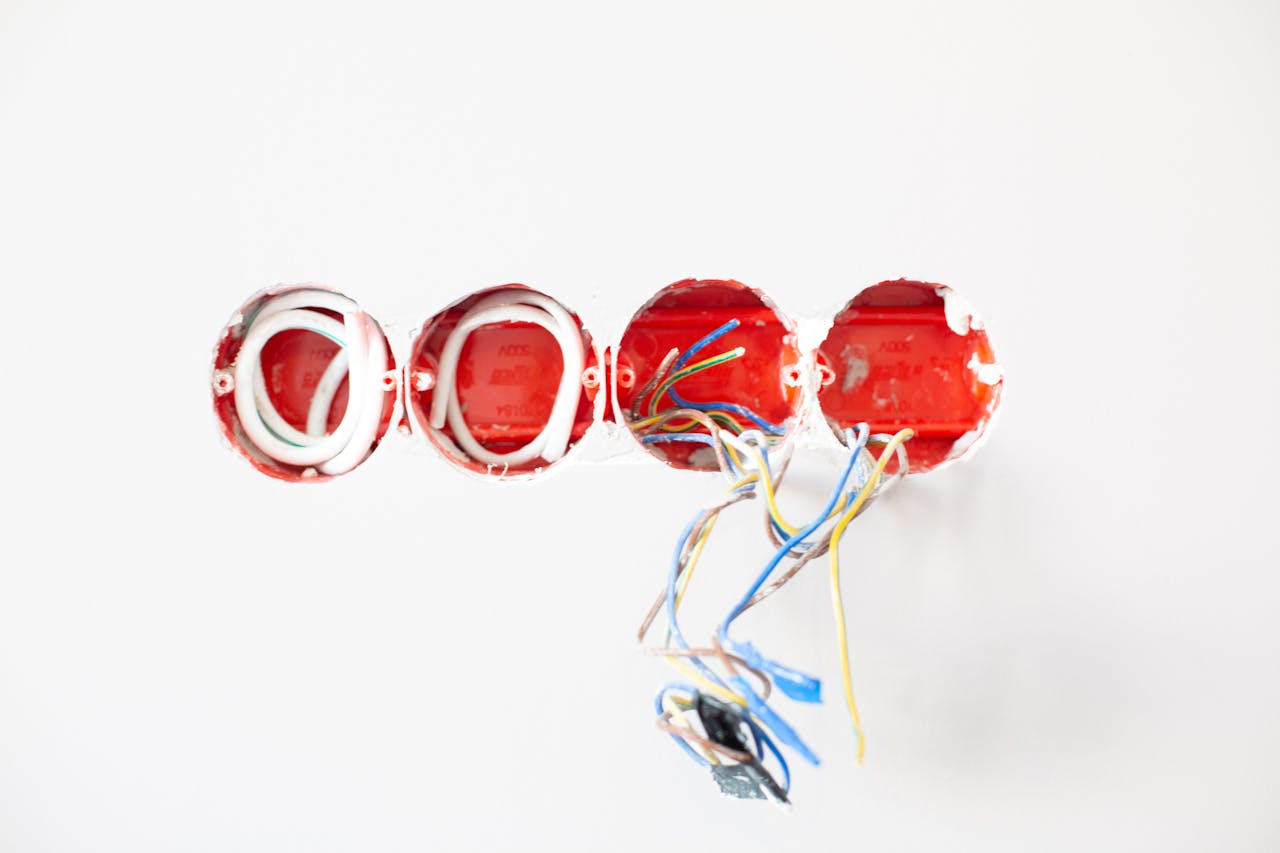
Loose wiring connections are among the most common causes of persistent flickering and are also one of the most dangerous. A loose connection creates resistance, which generates heat. Over time, this can melt insulation and ignite surrounding materials. If tightening the bulb doesn't fix the flicker, the wiring connections at the fixture, switch, or outlet box may need attention.
Overloaded Circuits
If your lights dim or flicker when you turn on large appliances like an air conditioner, refrigerator, or washing machine, the circuit may be overloaded. While a brief dim when a motor starts is normal, persistent dimming suggests that too many devices share the same circuit or that your panel doesn't have enough capacity for your home's needs.
Voltage Fluctuations
Your home's electrical system should deliver a consistent voltage, typically between 115 and 125 volts. If the voltage fluctuates significantly, lights may flicker or burn out prematurely. Signs of voltage problems include lights that brighten unexpectedly, bulbs that burn out frequently, and appliances that malfunction. An electrician can measure your voltage and determine whether the problem is inside your home or coming from the utility.
Faulty Light Switch
A worn-out light switch can cause intermittent contact, leading to flickering. If the switch feels loose, makes a buzzing sound, or is warm to the touch, it likely needs replacement. While replacing a switch may seem straightforward, it involves working with live wiring and should be done by a qualified professional.
Problems at the Main Connection
If lights throughout your entire home flicker, the issue may be at the main service connection where the utility power enters your house. Loose connections at the meter base, weatherhead, or main panel can cause widespread flickering and are a serious fire hazard. This type of problem requires immediate attention from a licensed electrician.
When Flickering Is an Emergency
Call an electrician immediately if you notice any of these alongside flickering lights:
- A burning or acrid smell coming from outlets, switches, or the breaker panel
- Scorch marks or discoloration around outlets or switches
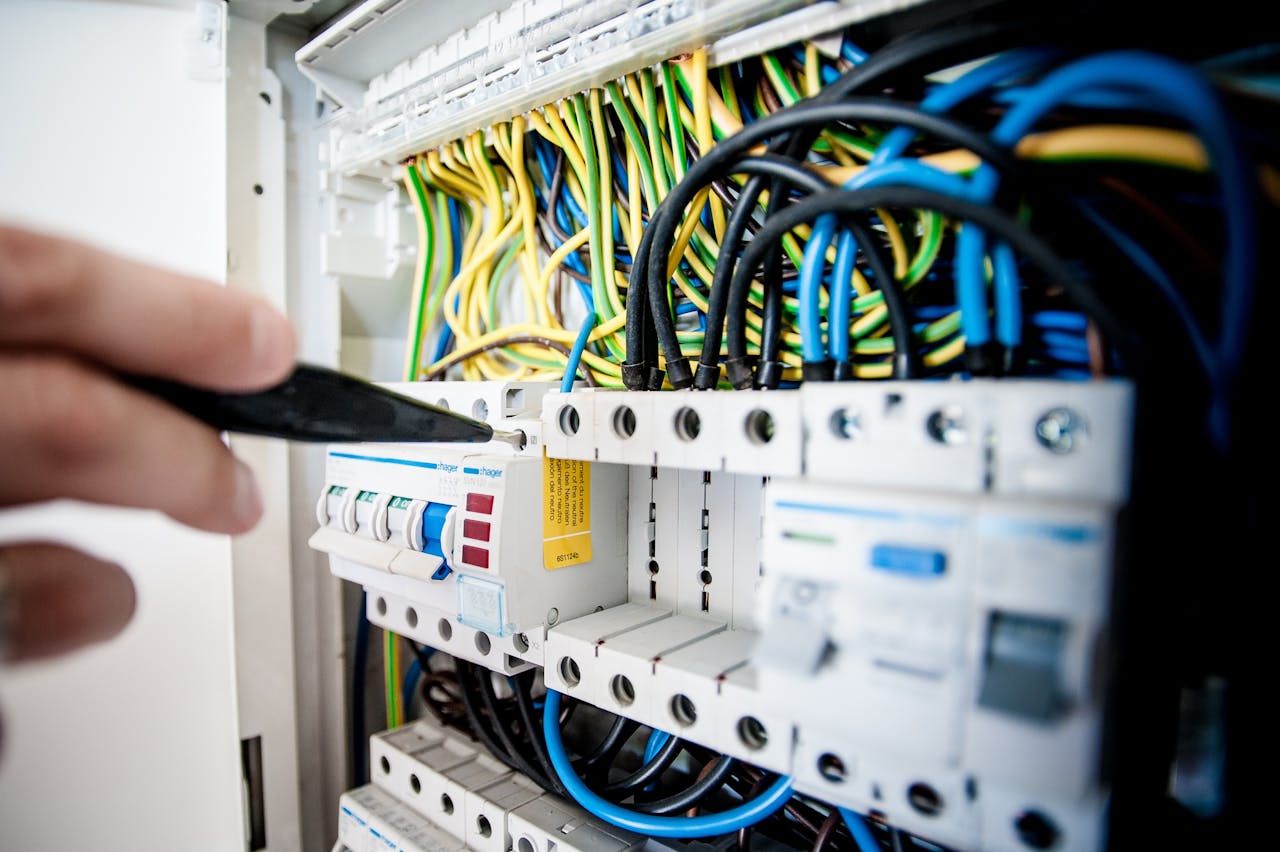
- Buzzing or crackling sounds from the electrical panel
- Sparks when plugging in or unplugging devices
- Flickering that started after a storm or power outage
- Lights throughout the entire house flickering simultaneously
The Bottom Line
A single light that flickers occasionally is usually a minor issue. But flickering that is persistent, widespread, or accompanied by other symptoms deserves professional investigation. The cost of an electrical inspection is minimal compared to the potential consequences of ignoring a wiring problem.
Frequently Asked Questions
Are flickering lights dangerous?
It depends on the cause. A single bulb that flickers because it is loose or paired with an incompatible dimmer is usually harmless. But flickering caused by loose wiring, an overloaded circuit, or a problem at the main service connection can be dangerous, because the resistance and heat involved are a real fire risk. When in doubt, have a licensed electrician inspect it.
Why do my lights flicker when an appliance turns on?
A brief dim when a large appliance like an air conditioner, refrigerator, or washing machine starts is normal, because the motor draws a surge of power. Persistent dimming or flickering, however, suggests the circuit is overloaded or your panel does not have enough capacity for your home's needs, which is worth having evaluated.
When should I call an electrician for flickering lights?
Call an electrician if flickering is persistent, affects multiple rooms or the whole house, or returns after you tighten the bulb and rule out the dimmer. Flickering paired with a burning smell, scorch marks, buzzing from the panel, or sparks is an emergency. Acosta Electric offers free estimates throughout the Phoenix metro area.
Why are all the lights in my house flickering?
When lights throughout the entire home flicker at once, the problem is usually not a single fixture. It often points to a loose connection at the main service where utility power enters the house, such as the meter base, weatherhead, or main panel, or to a voltage issue from the utility. This is a serious fire hazard and requires immediate attention from a licensed electrician.
Can flickering lights cause a fire?
Flickering itself does not start a fire, but the wiring faults that cause it can. A loose connection creates resistance, which generates heat, and over time that heat can melt insulation and ignite surrounding materials. That is why flickering combined with a burning smell, warm switches, or scorch marks should never be ignored.
Sources & Further Reading
Lights Flickering in Your Home?
Don't ignore it. Our licensed electricians can find and fix the problem. Free estimates available.
Call 623-975-9011 Get a Free Estimate