A circuit breaker keeps tripping because it is protecting your home from a problem on that circuit, most often an overloaded circuit, a short circuit, or a ground fault. An occasional trip is normal, but repeated tripping means too much current is flowing, so try redistributing appliances first, and call a licensed electrician if the breaker trips right after resetting, smells like burning, or feels hot.
A circuit breaker that trips once in a while is doing its job, protecting your home from electrical hazards. But when a breaker trips repeatedly, it's telling you something is wrong. Understanding the causes can help you decide whether it's a simple fix or something that requires a licensed electrician.
How Circuit Breakers Work
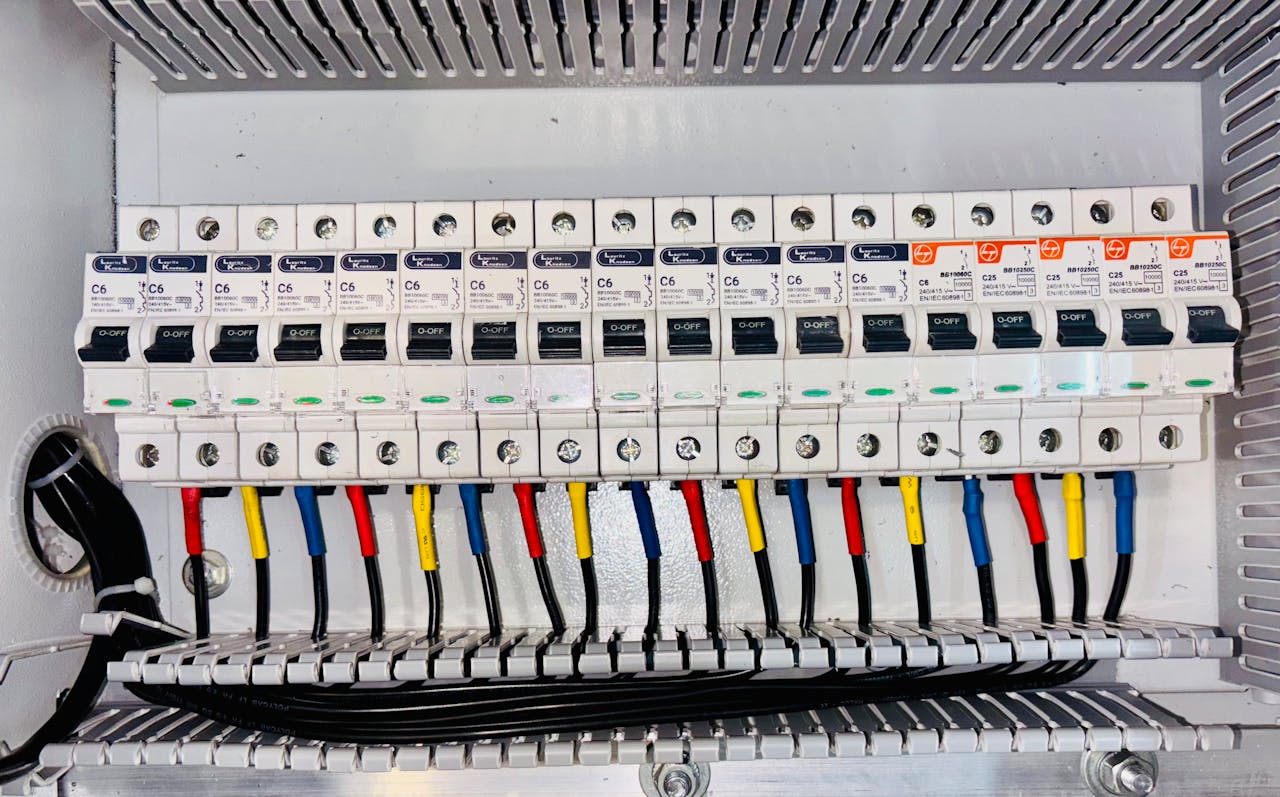
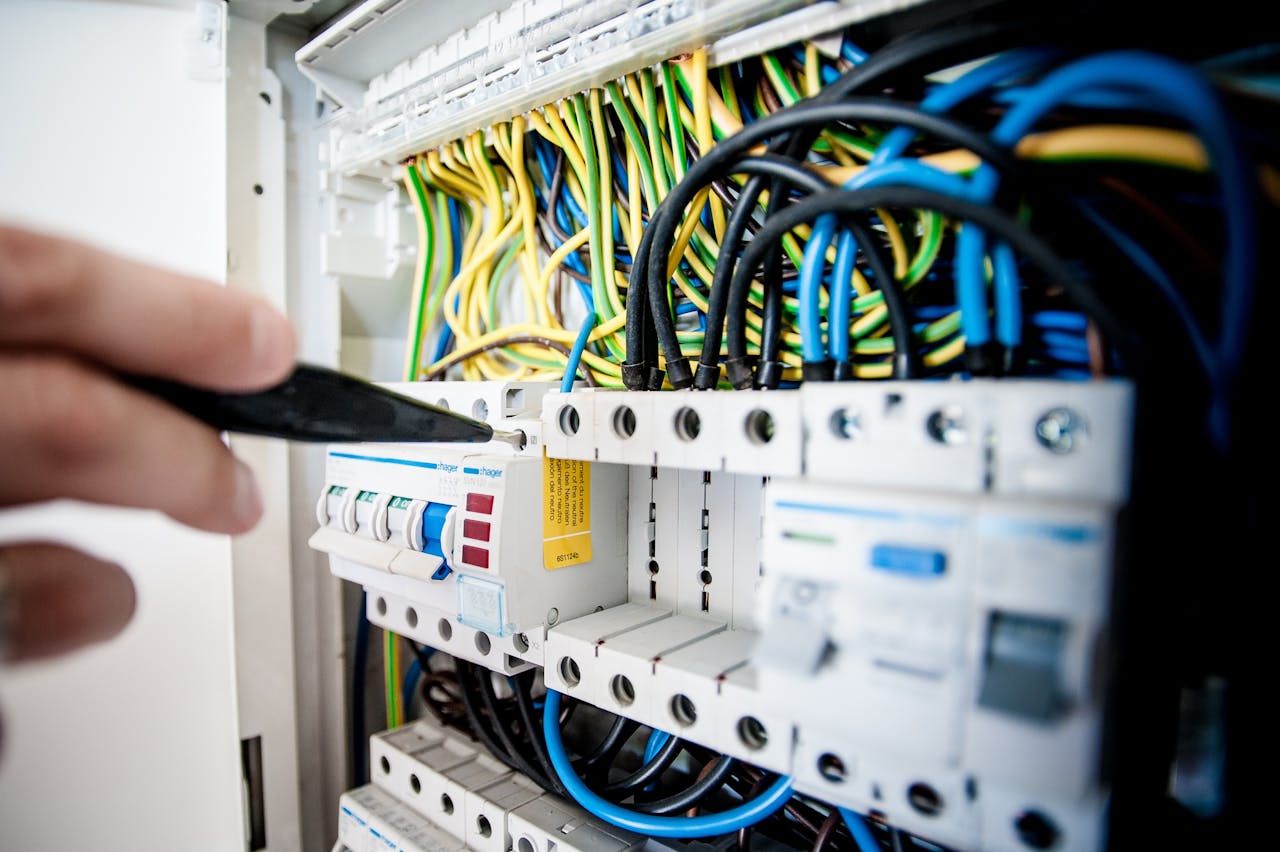
Circuit breakers are safety devices designed to interrupt the flow of electricity when a circuit is carrying more current than it can safely handle. When excess current flows through the breaker, an internal mechanism trips, cutting power to that circuit. This prevents wires from overheating and reduces the risk of electrical fires.
Common Causes of Tripping
Overloaded Circuits
The most common reason for a tripped breaker is an overloaded circuit. This happens when you plug too many devices or appliances into outlets on the same circuit, drawing more amperage than the circuit is rated for. High-draw appliances like space heaters, hair dryers, and window air conditioners are frequent culprits.
To fix this, try redistributing your appliances across different circuits. If you consistently need more power in certain areas of your home, an electrician can install additional dedicated circuits.
Short Circuits
A short circuit occurs when a hot wire comes into contact with a neutral wire, creating a sudden surge of current. Short circuits are more serious than overloads because they can produce sparks and heat that may lead to fires. Signs of a short circuit include a burning smell, discolored outlet covers, or a breaker that trips immediately after being reset.
Short circuits can occur inside appliances, within the wiring behind your walls, or at outlets and switches. If you suspect a short circuit, stop using the affected circuit and call an electrician right away.
Ground Faults
A ground fault happens when a hot wire touches a ground wire or a grounded part of a junction box. Like short circuits, ground faults cause a sudden increase in current flow that trips the breaker. Ground faults are especially dangerous in wet areas like bathrooms, kitchens, and outdoor spaces, which is why these locations require GFCI-protected outlets.
Faulty or Worn-Out Breaker
Breakers don't last forever. Over time, the internal mechanisms can wear out, causing them to trip at lower current levels than they should. If a particular breaker trips frequently even when the circuit isn't heavily loaded, the breaker itself may need replacement.
Damaged Wiring
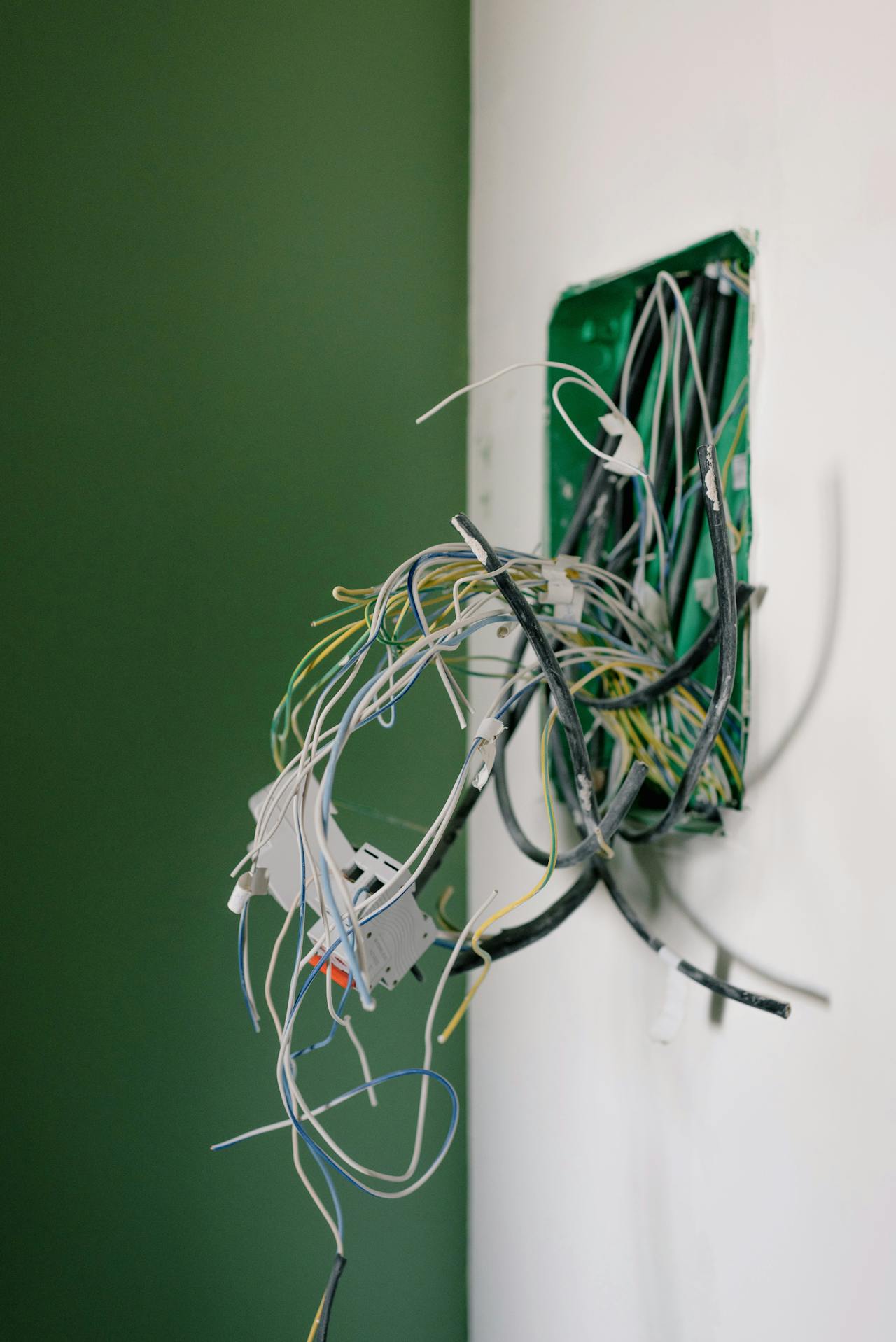
Wiring can deteriorate due to age, pest damage, or improper installation. Frayed, nicked, or corroded wires increase resistance and can cause overheating, leading to tripped breakers. Damaged wiring is a serious fire hazard and should be addressed by a professional as soon as possible.
When to Call an Electrician
While redistributing appliances can solve an overloaded circuit, many causes of repeated tripping require professional diagnosis. Call a licensed electrician if:
- A breaker trips immediately after being reset
- You notice a burning smell from the panel or outlets
- Multiple breakers trip at the same time
- The breaker feels hot to the touch
- You see scorch marks or discoloration around the panel
- The same breaker trips repeatedly regardless of what's plugged in
Prevention Tips
To reduce the likelihood of tripped breakers, avoid daisy-chaining power strips, unplug appliances when not in use, and have your electrical system inspected periodically. If your home is older or you've added significant electrical loads like an EV charger or hot tub, consider having your panel and circuits evaluated by a professional.
Frequently Asked Questions
What are the three main reasons a circuit breaker keeps tripping?
The three most common causes are an overloaded circuit, a short circuit, and a ground fault. An overload happens when too many devices draw more current than the circuit is rated for. A short circuit occurs when a hot wire touches a neutral wire. A ground fault happens when a hot wire touches a ground wire or grounded surface. All three cause a surge in current that trips the breaker to prevent overheating and fire.
What is the difference between an overload and a short circuit?
An overload is when a circuit is asked to carry more current than it is rated for, usually from plugging in too many or too powerful appliances at once. A short circuit is more serious: it happens when a hot wire contacts a neutral wire, creating a sudden surge that can produce sparks and heat. A breaker that trips immediately after being reset often points to a short circuit rather than a simple overload.
Is a circuit breaker that keeps tripping dangerous?
A breaker tripping is the safety system doing its job, but repeated tripping signals an underlying problem that should not be ignored. Overloads, short circuits, ground faults, and damaged wiring can all lead to overheating and electrical fires if left unaddressed. If you notice a burning smell, scorch marks, or a breaker that is hot to the touch, stop using the circuit and call a licensed electrician right away.
Why does my breaker trip even when nothing is plugged in?
If a breaker trips with nothing plugged into the circuit, the problem is usually not an overload. It often points to a short circuit or ground fault in the wiring behind the walls, a fault in a hardwired fixture, or a worn-out breaker that trips at too low a current. Because these issues are hidden and can be fire hazards, they should be diagnosed by a licensed electrician.
Can a bad breaker itself cause the tripping?
Yes. Breakers do not last forever, and over time their internal mechanisms can wear out and trip at lower current levels than they should. If a particular breaker trips frequently even when the circuit is not heavily loaded, the breaker itself may need to be replaced. A licensed electrician can test the circuit to confirm whether the breaker or the wiring is at fault.
How do I safely reset a tripped breaker and when should I call an electrician?
To reset safely, unplug or turn off devices on the affected circuit, then push the breaker fully to the OFF position before switching it back ON. If the breaker trips again immediately, do not keep resetting it. Call a licensed electrician if a breaker trips right after resetting, you smell burning, the breaker feels hot, multiple breakers trip together, or the same breaker trips regardless of what is plugged in. Acosta Electric serves the Peoria and Phoenix, AZ metro area and offers free estimates.
Sources & Further Reading
Dealing with a Breaker That Won't Stay On?
Our licensed electricians can diagnose and fix the problem quickly. Contact us for a free estimate.
Call 623-975-9011 Get a Free Estimate