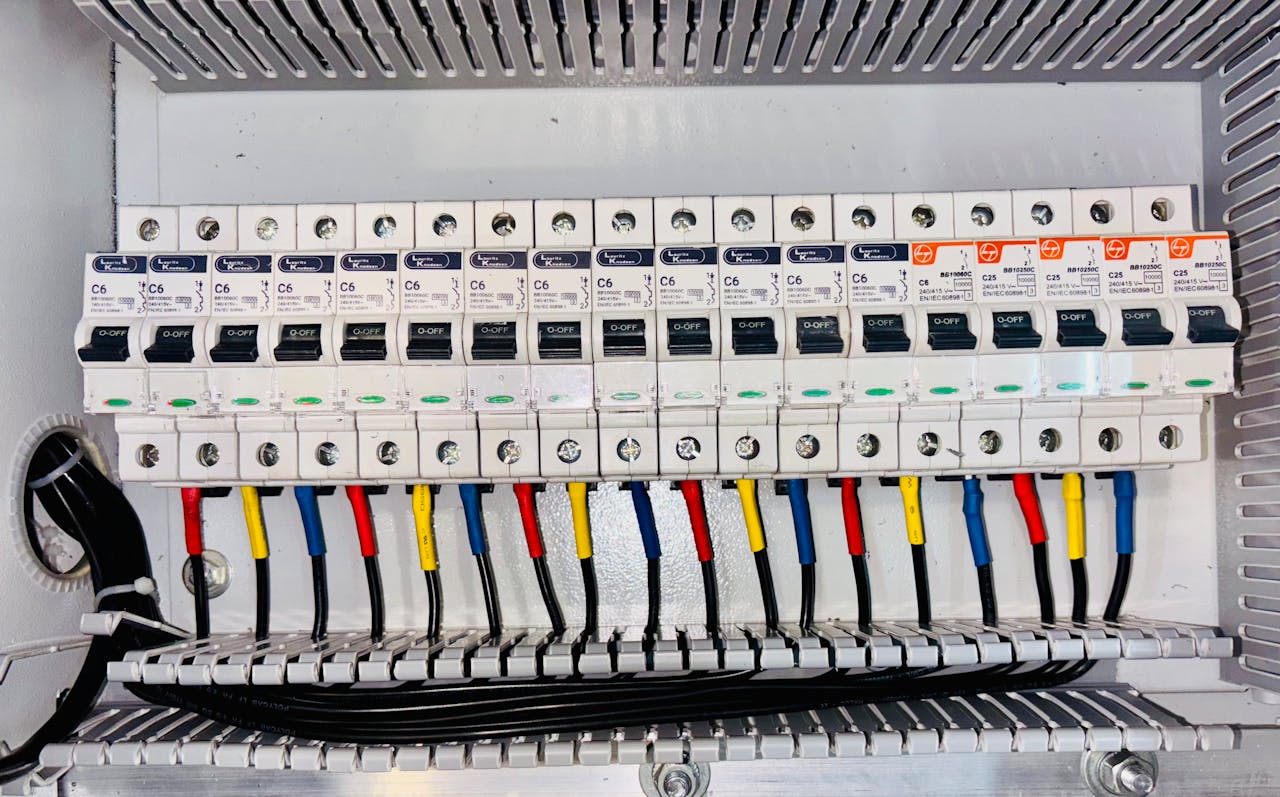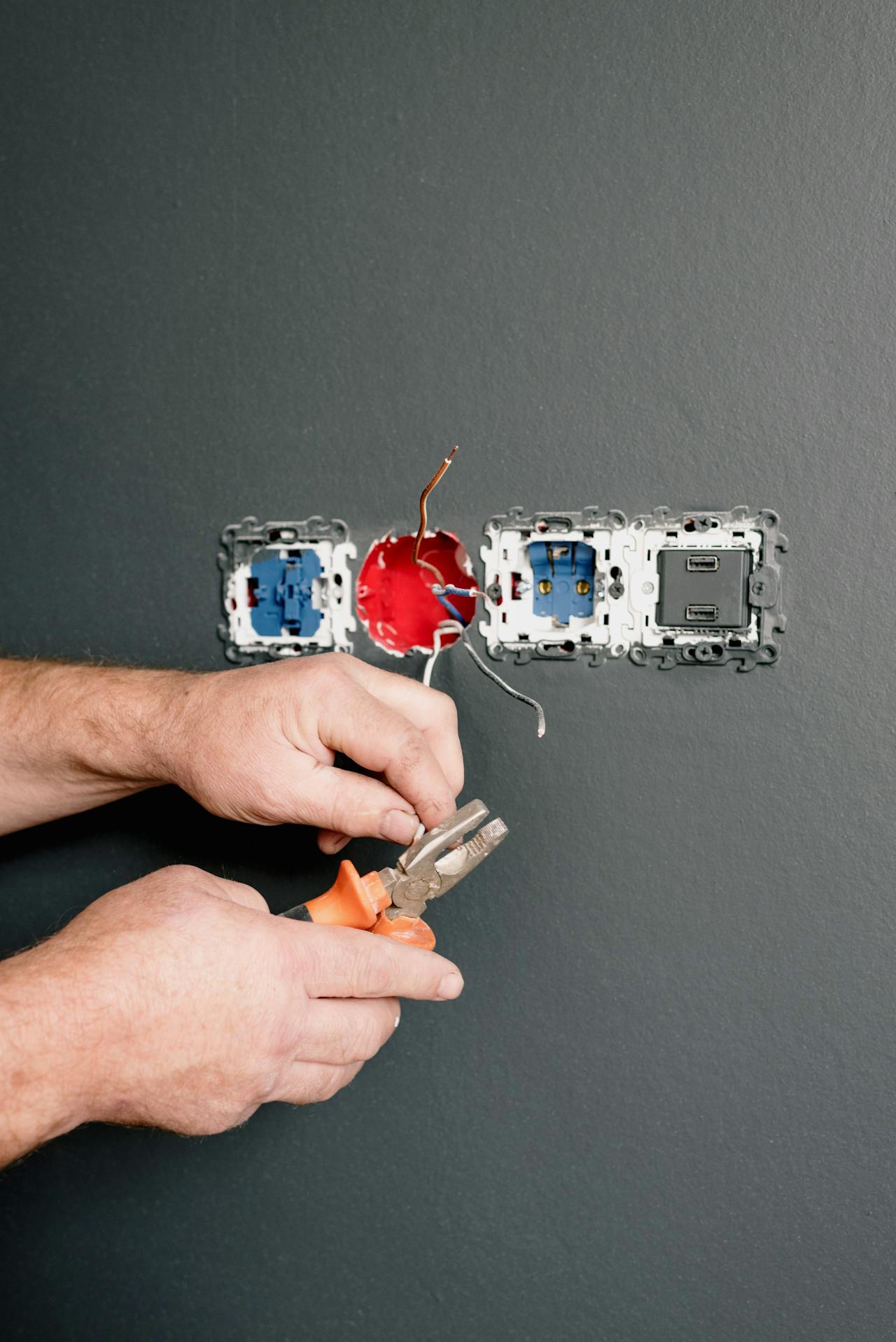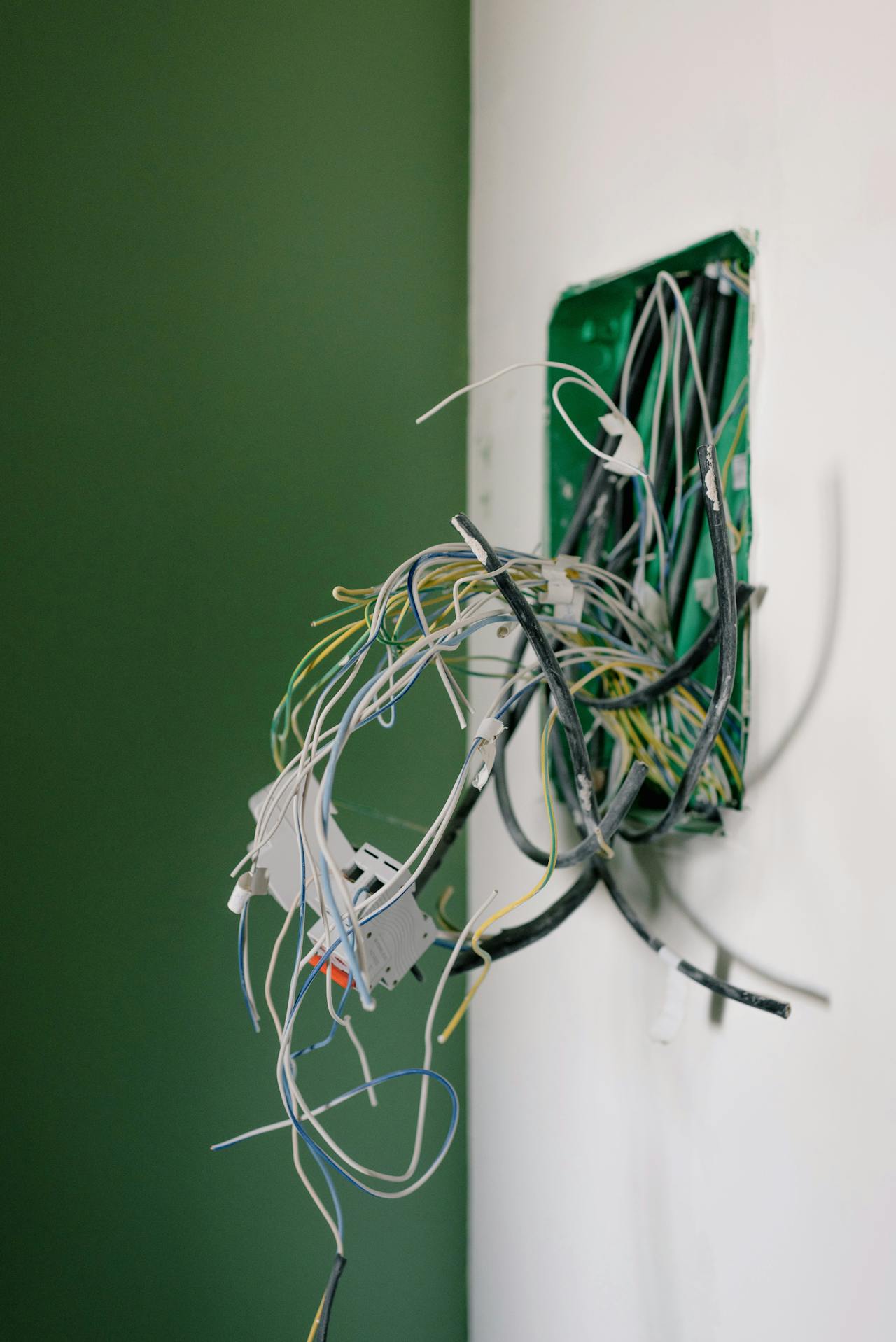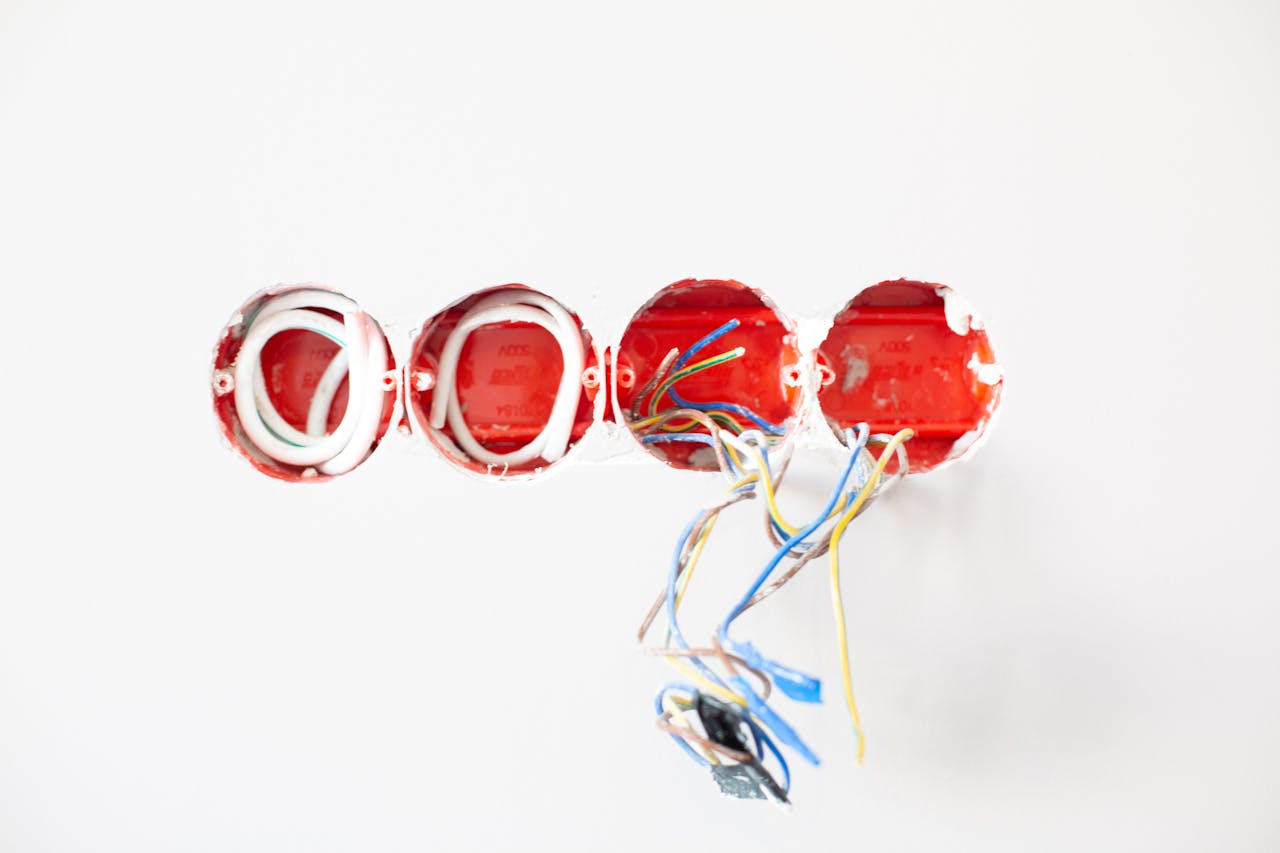
You likely have outdated wiring if your home was built before the 1980s and shows signs like two-prong ungrounded outlets, frequently blown fuses, warm or discolored outlets, buzzing sounds, or a burning smell with no source. Older systems such as knob-and-tube and aluminum wiring are especially risky. If you notice any of these, have a licensed electrician inspect your wiring to determine whether targeted repairs or a full rewire are needed.
If your home was built more than 30 or 40 years ago, there's a good chance its electrical wiring doesn't meet today's safety standards. Outdated wiring is one of the leading causes of residential electrical fires, and it can also prevent you from safely using modern appliances and electronics.
Types of Outdated Wiring
Knob-and-Tube Wiring
Common in homes built before 1950, knob-and-tube wiring consists of individual copper wires run through ceramic knobs and tubes. While it was safe when properly installed, this wiring lacks a ground wire and its insulation deteriorates over time. It also can't handle the electrical loads of modern households and is a major red flag for home insurers.
Aluminum Wiring
Used extensively in homes built during the 1960s and 1970s, aluminum wiring expands and contracts more than copper when heated, which can loosen connections over time. Loose connections create hot spots that significantly increase the risk of fire. Homes with aluminum wiring are statistically more likely to experience electrical fires than those with copper wiring.
Cloth-Insulated Wiring
Before modern plastic insulation became standard, many homes used cloth-wrapped wiring. Over decades, the cloth insulation becomes brittle and can crack or fray, exposing bare wire. This creates a serious shock and fire hazard, especially in areas where the wiring passes through insulation or near heat sources.
Warning Signs of Outdated Wiring
- Two-prong outlets: If your outlets only have two slots instead of three, your home likely lacks grounding, which is essential for safety with modern electronics and appliances.
- Frequently blown fuses or tripped breakers: Your electrical system may not be able to handle your current power needs.
- Discolored or warm outlets: Heat buildup at outlets or switches can indicate loose connections or inadequate wiring.
- Buzzing or sizzling sounds: Electrical noise from outlets or walls suggests arcing, which is a fire hazard.
- Burning smell with no source: An unexplained burning odor can come from overheating wiring inside walls.
- Tingling sensation when touching appliances: This indicates a grounding problem that could lead to a serious shock.
- Lights that dim when appliances turn on: This suggests circuits are struggling to provide enough power.
Why Outdated Wiring Is Dangerous
Old wiring wasn't designed for today's electrical demands. The average modern household uses far more electricity than homes did 40 or 50 years ago. Between computers, large-screen TVs, HVAC systems, EV chargers, and dozens of other devices, outdated wiring systems are often pushed well beyond their capacity.
When wiring is overloaded, it generates excessive heat. If the insulation around the wires has deteriorated, this heat can ignite surrounding materials. The lack of grounding in older systems also means that faults have no safe path to dissipate, increasing the risk of shock and fire.
What to Do If You Suspect Outdated Wiring
If your home shows any of these warning signs, the safest course of action is to have a licensed electrician perform a thorough inspection. They can assess the condition of your wiring, identify specific hazards, and recommend appropriate upgrades.
A full rewiring project may sound daunting, but it's one of the most important investments you can make in your home's safety. Modern wiring with proper grounding, arc-fault protection, and adequate capacity will keep your family safe and your home up to code for decades to come.
Insurance and Resale Considerations
Many insurance companies charge higher premiums or refuse coverage altogether for homes with outdated wiring systems. If you're buying or selling a home, the wiring condition will almost certainly come up during the inspection. Upgrading your wiring not only protects your family but can also increase your home's value and make it more attractive to buyers and insurers.
Frequently Asked Questions
What are the signs my home has outdated wiring?
Common signs include two-prong outlets with no grounding, frequently blown fuses or tripped breakers, discolored or warm outlets, buzzing or sizzling sounds, an unexplained burning smell, a tingling sensation when touching appliances, and lights that dim when appliances turn on. Any of these warrants an inspection by a licensed electrician.
What decade homes are most at risk for outdated wiring?
Homes built more than 30 or 40 years ago are most likely to have wiring that no longer meets safety standards. Houses built before 1950 may still have knob-and-tube wiring, and homes from the 1960s and 1970s often used aluminum wiring, both of which are considered higher-risk today.
Is aluminum wiring dangerous?
Aluminum wiring expands and contracts more than copper when heated, which can loosen connections over time and create hot spots that increase the risk of fire. Homes with aluminum wiring are statistically more likely to experience electrical fires than those with copper wiring, so it should be evaluated by a licensed electrician.
Does outdated wiring affect home insurance and resale?
Yes. Many insurance companies charge higher premiums or refuse coverage altogether for homes with outdated wiring, and the wiring condition will almost certainly come up during a home inspection when buying or selling. Upgrading your wiring protects your family and can increase your home's value and appeal to buyers and insurers.
Can outdated wiring be fixed without a full rewire?
Sometimes. Depending on what the inspection finds, targeted upgrades such as adding grounded outlets, replacing damaged sections, or correcting loose connections may be enough, while severely deteriorated systems usually need a full rewire. A licensed electrician can assess your wiring and recommend the right approach. Acosta Electric offers free estimates throughout the Phoenix metro area.
Sources & Further Reading
Concerned About Your Home's Wiring?
Acosta Electric offers comprehensive electrical inspections and rewiring services throughout the Phoenix metro area.
Call 623-975-9011 Get a Free Estimate