Your home's electrical load capacity is the maximum current your service, panel, and wiring can deliver safely, measured in amps. Most modern homes have 200-amp service, while older homes may have only 100-amp or 60-amp. To know if yours is enough, check the main breaker number and have a licensed electrician run a load calculation, especially before adding a high-draw item like an EV charger, hot tub, or addition.
Every home has a limited amount of electricity it can safely handle at any given time. This is your home's electrical load capacity, and exceeding it can lead to tripped breakers, overheating wires, and even electrical fires. Understanding your capacity is essential, especially if you're planning to add high-draw items like an EV charger, hot tub, or workshop equipment.
What Is Electrical Load Capacity?
Electrical load capacity refers to the maximum amount of electrical current your home's system can deliver safely. It's determined by three main components: your service entrance (the connection from the utility to your home), your electrical panel, and the wiring throughout your house.
Capacity is measured in amperes (amps). Most modern homes have 200-amp service, which provides approximately 24,000 watts of power at 120 volts. Older homes may have 100-amp or even 60-amp service, which was adequate when homes had fewer electrical devices but often falls short of today's demands.
How to Determine Your Current Capacity
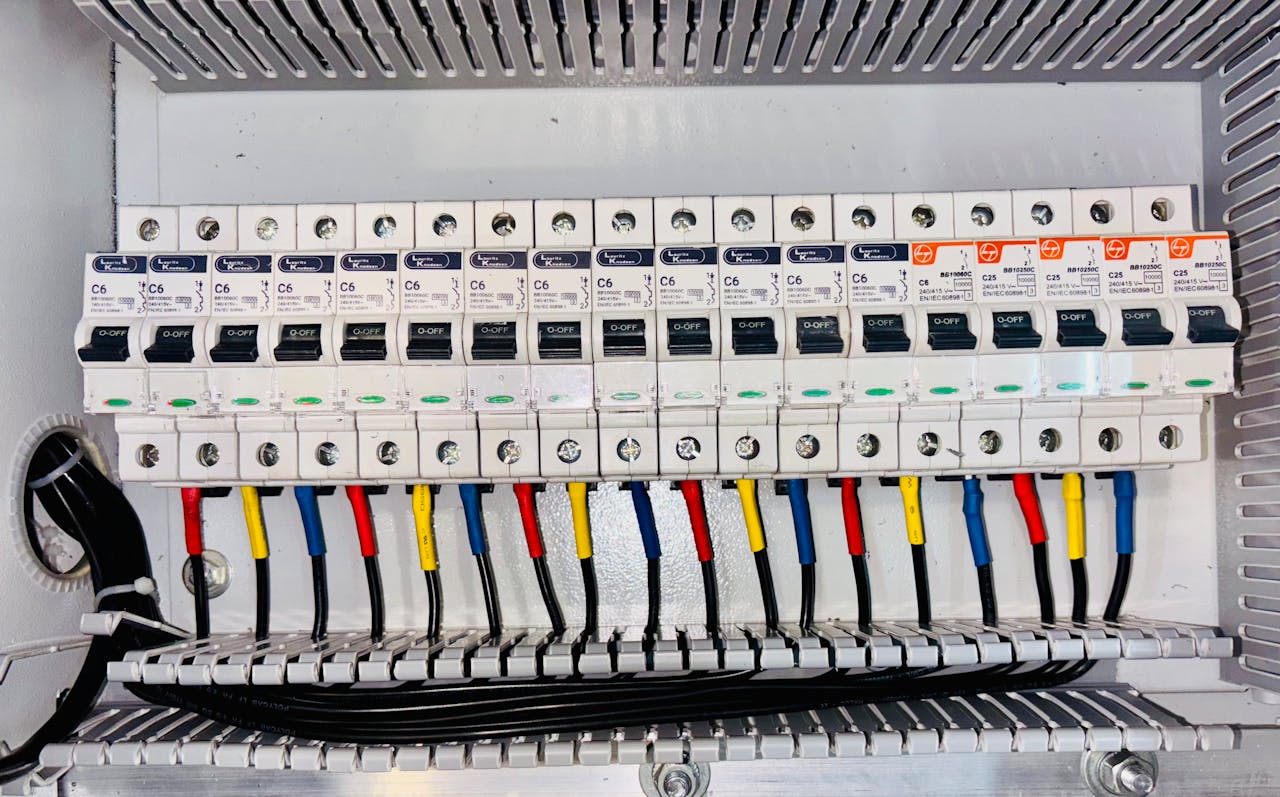
The easiest way to find your home's electrical capacity is to look at the main breaker in your electrical panel. The number on the main breaker, typically 100, 150, or 200, tells you the maximum amperage your system can deliver. You can also check the electric meter outside your home, which usually displays the service rating.
However, knowing your total capacity is only part of the picture. You also need to understand how much of that capacity you're currently using. A licensed electrician can perform a load calculation that tallies up all the electrical devices in your home and determines whether your system has room for additional loads.
Signs Your Home May Be at Capacity
- Frequent breaker trips: If you're regularly resetting breakers, your circuits are being asked to carry more than they can handle.
- Lights dimming when appliances start: When your air conditioner or other large appliance kicks on and the lights dim briefly, it means the starting surge is straining your system's available capacity.
- Warm outlets or switches: Heat at an outlet or switch indicates the wiring or connection is under stress, which can happen when circuits are overloaded.
- Reliance on extension cords and power strips: If you're constantly using extension cords because you don't have enough outlets, your home's electrical system likely wasn't designed for your current needs.
- Inability to run multiple appliances: If running the microwave while the dishwasher is on trips a breaker, your circuits are at their limit.
Common Reasons You Might Need More Capacity
Electric Vehicle Charging
A Level 2 EV charger typically requires a 40 to 50-amp dedicated circuit. For a home with 100-amp service that's already near capacity, adding an EV charger may require a service upgrade. Even with 200-amp service, the added load needs to be properly planned to avoid overloading existing circuits.
Home Additions and Renovations
Adding a room, finishing a basement, or converting a garage into living space all increase your home's electrical demands. New rooms need lighting, outlets, and potentially HVAC, all of which draw from your existing capacity.
Home Office Setup
A dedicated home office with computers, monitors, printers, and other equipment can add significant load to a circuit that was originally designed for a bedroom with a lamp and an alarm clock.
Pool or Hot Tub
Pool pumps, heaters, and hot tubs are significant electrical loads. A pool heater alone can require a 50-amp or larger circuit, and the pump may need its own dedicated circuit as well.
Solutions for Insufficient Capacity
Panel Upgrade
If your panel is rated for less than 200 amps, upgrading to a 200-amp panel is often the first step. This gives you more circuit breaker slots and a higher overall capacity. In some cases, a 400-amp service may be appropriate for larger homes with extensive electrical needs.
Adding Dedicated Circuits
High-draw appliances should each have their own dedicated circuit. This prevents them from competing with other devices for power and reduces the risk of overloads. An electrician can add new circuits from your panel to specific locations in your home.
Load Balancing
Sometimes the issue isn't total capacity but how the load is distributed across circuits. An electrician can redistribute circuits in your panel to balance the load more evenly, reducing the strain on any single circuit.
Planning Ahead
Before adding any major electrical load to your home, consult with a licensed electrician. They can perform a load calculation, assess your current system's capacity, and recommend any necessary upgrades. It's much easier and less expensive to plan for additional capacity before you buy that EV charger or hot tub than to deal with an overtaxed electrical system afterward.
Frequently Asked Questions
How many amps does a typical house have?
Most modern homes have 200-amp service, which provides roughly 24,000 watts of power and is enough for the average household. Older homes may have only 100-amp or 60-amp service, which was adequate when houses had fewer electrical devices but often falls short of today's demands.
How do I know if my electrical service is enough for my home?
Check the number on the main breaker in your panel, typically 100, 150, or 200, to see your maximum amperage. Knowing your total capacity is only part of the picture, so a licensed electrician can perform a load calculation that tallies up your devices and determines whether your system has room for more.
What are the signs of an overloaded electrical system?
Common signs include frequent breaker trips, lights that dim when an appliance starts, warm outlets or switches, heavy reliance on extension cords and power strips, and the inability to run multiple appliances at once without tripping a breaker.
What uses the most electrical load in a home?
Large appliances draw the most power, including HVAC systems, electric ranges and dryers, EV chargers, and pool or hot tub equipment. A Level 2 EV charger alone typically needs a 40 to 50-amp dedicated circuit, and a pool heater can require a 50-amp or larger circuit.
Do I need a panel upgrade for an EV charger or home addition?
Possibly. A home with 100-amp service that is already near capacity may need a service upgrade to add an EV charger or a new addition, while even 200-amp service requires the new load to be properly planned. Acosta Electric can perform a load calculation and provide a free estimate before you commit to the project.
Sources & Further Reading
Need a Load Capacity Assessment?
Our electricians can evaluate your home's electrical system and recommend upgrades. Free estimates on all services.
Call 623-975-9011 Get a Free Estimate