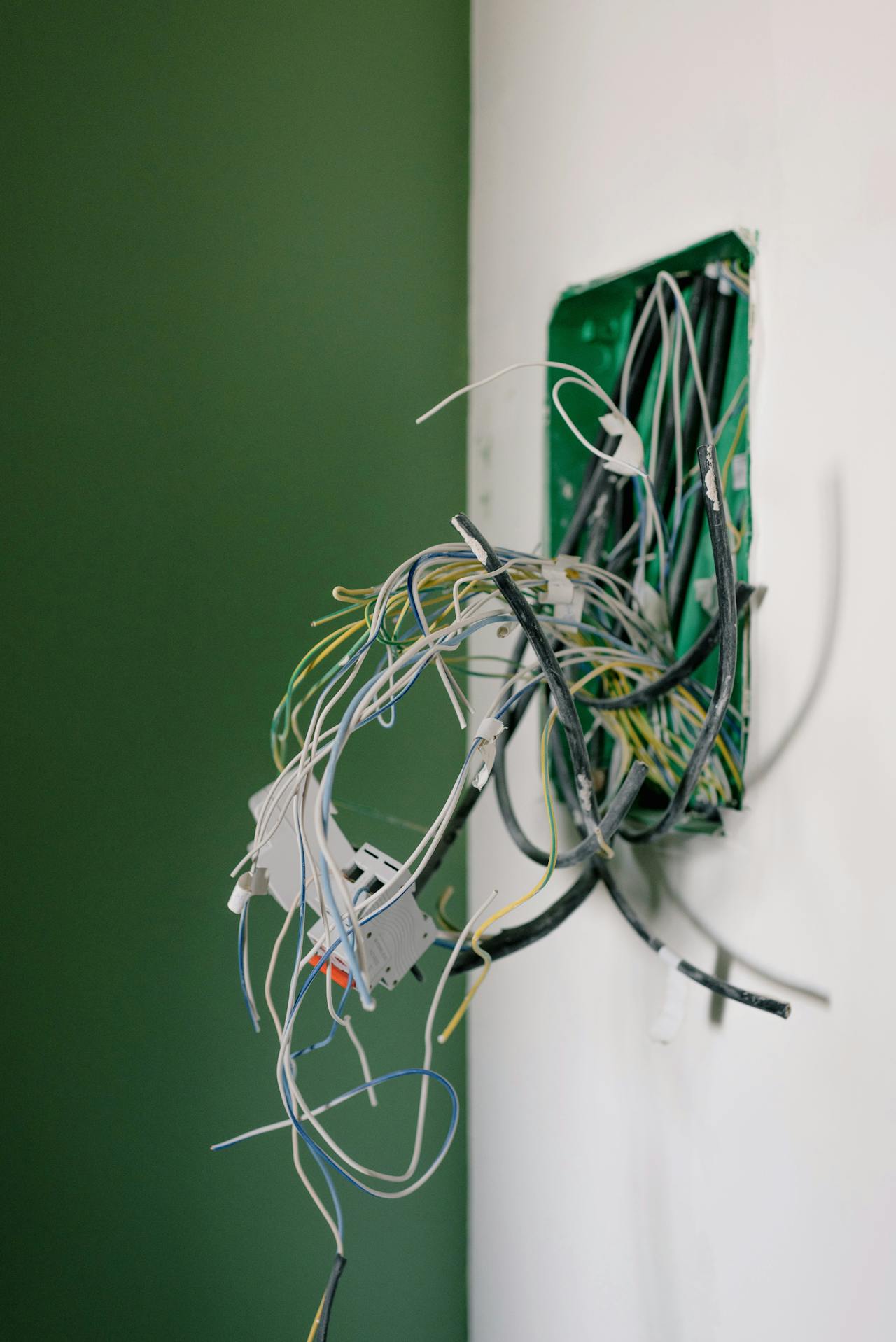
GFCI outlets matter because they shut off power in a fraction of a second when they detect a ground fault, protecting you from a potentially fatal electrical shock. The National Electrical Code requires them anywhere water and electricity could meet, including bathrooms, kitchens, garages, outdoor areas, laundry rooms, and near pools. Adding them to a home that lacks them is one of the most cost-effective safety upgrades you can make.
Ground Fault Circuit Interrupter (GFCI) outlets are one of the most important safety devices in your home. These specialized outlets monitor the flow of electricity and shut off power in a fraction of a second when they detect a ground fault, potentially saving you from a dangerous electrical shock.
How GFCI Outlets Work
A GFCI outlet continuously monitors the amount of current flowing through the hot and neutral wires of a circuit. Under normal conditions, these two values are equal. When current leaks through a ground fault, such as through water or a person's body, the GFCI detects the imbalance and trips the circuit in as little as one-thirtieth of a second.
You can identify a GFCI outlet by its two buttons, typically labeled "Test" and "Reset," located between the plug slots. These buttons allow you to verify the outlet is working properly and reset it after a trip.
Where GFCI Outlets Are Required
The National Electrical Code (NEC) requires GFCI protection in areas where water and electricity could come into contact. Current code requires GFCI outlets in the following locations:
- Bathrooms: All outlets must be GFCI-protected, as the combination of water and electrical appliances like hair dryers creates a significant shock risk.
- Kitchens: All countertop outlets within six feet of a sink must have GFCI protection.
- Garages: All outlets in the garage require GFCI protection, with limited exceptions for dedicated appliance circuits.
- Outdoors: Every outdoor outlet must be GFCI-protected, as exposure to rain and moisture increases shock risk.
- Basements and crawl spaces: Both finished and unfinished basement outlets need GFCI protection.
- Laundry rooms: Outlets in laundry areas require GFCI protection due to the presence of water.
- Near pools, hot tubs, and fountains: All outlets within 20 feet of a pool or hot tub must have GFCI protection.
Why GFCI Protection Matters
Electrical shock can cause serious injury or death. According to the Electrical Safety Foundation, GFCI outlets have significantly reduced the number of electrocutions in the United States since they became required by code. A standard circuit breaker protects against overloads and short circuits, but it won't trip fast enough to prevent a shock from a ground fault. GFCI outlets fill this critical safety gap.
Even a small amount of current flowing through the body can be dangerous. As little as 10 milliamps can cause muscle contractions that prevent a person from letting go of an energized object, while 100 milliamps can be fatal. A GFCI outlet trips at just 4 to 6 milliamps, well below the threshold for serious harm.
Testing Your GFCI Outlets
GFCI outlets should be tested monthly to ensure they're working properly. Here's how:
- Plug a small device like a nightlight or lamp into the GFCI outlet and turn it on.
- Press the "Test" button on the outlet. The device should turn off immediately.
- Press the "Reset" button. The device should turn back on.
- If the outlet doesn't trip when you press "Test," or if it won't reset, the outlet needs to be replaced.
GFCI Outlets vs. GFCI Breakers
GFCI protection can also be provided at the electrical panel through a GFCI circuit breaker. A GFCI breaker protects all outlets on that circuit, which can be more cost-effective if multiple outlets in the same area need protection. However, GFCI outlets are generally preferred because they're easier to test and reset without going to the breaker panel.
Upgrading Your Home
If your home was built before GFCI outlets were required by code, your wet areas may not have this essential protection. Upgrading standard outlets to GFCI outlets is a straightforward job for a licensed electrician and is one of the most cost-effective safety improvements you can make to your home.
Frequently Asked Questions
Where are GFCI outlets required by code?
The National Electrical Code requires GFCI protection anywhere water and electricity could meet. That includes bathrooms, kitchen countertop outlets near the sink, garages, outdoor receptacles, laundry rooms, basements and crawl spaces, and outlets near pools, hot tubs, and fountains.
What is the difference between GFCI and AFCI protection?
A GFCI (ground fault circuit interrupter) shuts off power when current leaks to ground, such as through water or a person, to prevent shock. An AFCI (arc fault circuit interrupter) detects dangerous arcing in wiring to prevent fires. They protect against different hazards, and many newer homes use both where the code requires them.
How do I test and reset a GFCI outlet?
Plug in a small device like a lamp and turn it on, then press the Test button. The device should shut off. Press Reset and it should turn back on. GFCI outlets should be tested monthly, and if the outlet will not trip or will not reset, it needs to be replaced.
Why does my GFCI outlet keep tripping?
Repeated tripping usually means the GFCI is doing its job by detecting a real ground fault, often from moisture, a faulty appliance, or worn wiring on the circuit. A worn-out GFCI can also trip on its own. If resetting does not hold, have a licensed electrician find the cause rather than ignoring it.
Can I install a GFCI outlet myself or should I hire an electrician?
Some homeowners replace a GFCI outlet themselves, but working in an energized panel or miswiring the line and load terminals can leave the outlet unprotected or unsafe. Hiring a licensed electrician ensures the work is correct and code-compliant. Acosta Electric installs and upgrades GFCI outlets across the Phoenix metro area and offers free estimates.
Sources & Further Reading
Need GFCI Outlets Installed?
Acosta Electric installs GFCI outlets throughout the Phoenix metro area. We can also make your outlets tamper-proof for added child safety.
Call 623-975-9011 Get a Free Estimate