The most reliable way to childproof electrical outlets is to replace standard receptacles with tamper-resistant receptacles (TRRs), which have internal shutters that block objects pushed into a single slot. They have been required by code in new homes since 2008 and outperform plastic plug caps, which fall off, get left out, and can become a choking hazard. For plugged-in outlets, add outlet box covers, and have a licensed electrician handle TRR upgrades.
Young children are naturally curious, and electrical outlets are at exactly the right height to attract their attention. Every year, thousands of children are treated in emergency rooms for injuries related to electrical outlets. The good news is that childproofing your outlets is straightforward and highly effective at preventing these accidents.
Why Outlet Safety Matters
A standard electrical outlet delivers 120 volts of electricity, more than enough to cause serious injury or death to a small child. Children may attempt to insert fingers, keys, paperclips, or other small objects into outlet slots, not understanding the danger. Even a brief contact with live electricity can cause burns, cardiac issues, or worse.
The risk is highest for children between the ages of one and five, who are mobile enough to reach outlets but too young to understand electrical hazards. Since outlets are typically installed 12 to 18 inches from the floor, they're at perfect eye level for toddlers.
Childproofing Options
Tamper-Resistant Receptacles (Best Option)
Tamper-resistant receptacles (TRRs) are the gold standard for outlet safety. These outlets have built-in spring-loaded shutters that cover the contact points. The shutters only open when equal pressure is applied to both slots simultaneously, as happens when you insert a plug. A child pushing an object into a single slot won't be able to bypass the shutters.
Since 2008, the National Electrical Code has required tamper-resistant receptacles in all new residential construction. If your home was built before this requirement, upgrading to TRRs is one of the best safety investments you can make. They look and function just like standard outlets, so there's no inconvenience for adults.
Outlet Covers and Caps
Plastic outlet caps are the most common childproofing method, but they have significant drawbacks. They must be removed every time you want to use the outlet, which means they're often left off. They can also become choking hazards if a child manages to pull one out. Additionally, many toddlers quickly learn how to remove them.
Sliding outlet covers are a step up from basic caps. They feature a plate that slides over the outlet slots when not in use and slides aside when you need to plug something in. While better than caps, they don't provide the same level of protection as tamper-resistant receptacles.
Outlet Box Covers
For outlets that have devices plugged in, box covers enclose the entire outlet and plug, preventing children from pulling out the plug or touching the outlet. These are useful for outlets behind furniture or entertainment centers where cords are always plugged in.
Additional Electrical Safety Tips for Families
- Cover power strips: Use power strip covers to prevent children from pulling out plugs or inserting objects into the strip's outlets.
- Manage cords: Keep electrical cords out of reach and use cord covers or cord shorteners to eliminate dangling cords that children might pull on.
- Teach electrical safety: As children get older, teach them about the dangers of electricity. Use age-appropriate explanations and consistently reinforce the rules.
- Install GFCI outlets: In bathrooms, kitchens, and other wet areas, GFCI outlets provide an additional layer of protection by cutting power instantly if a ground fault is detected.
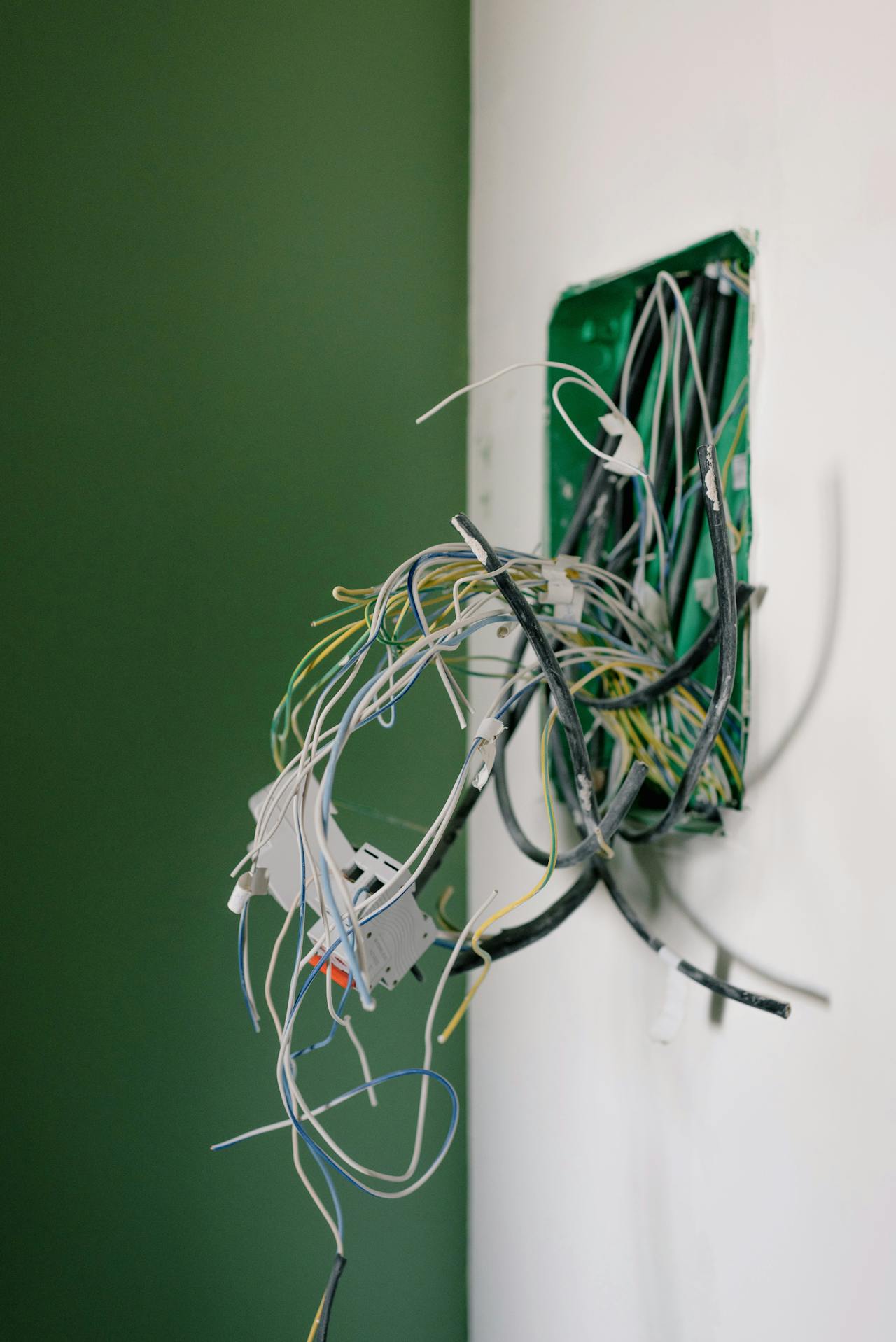
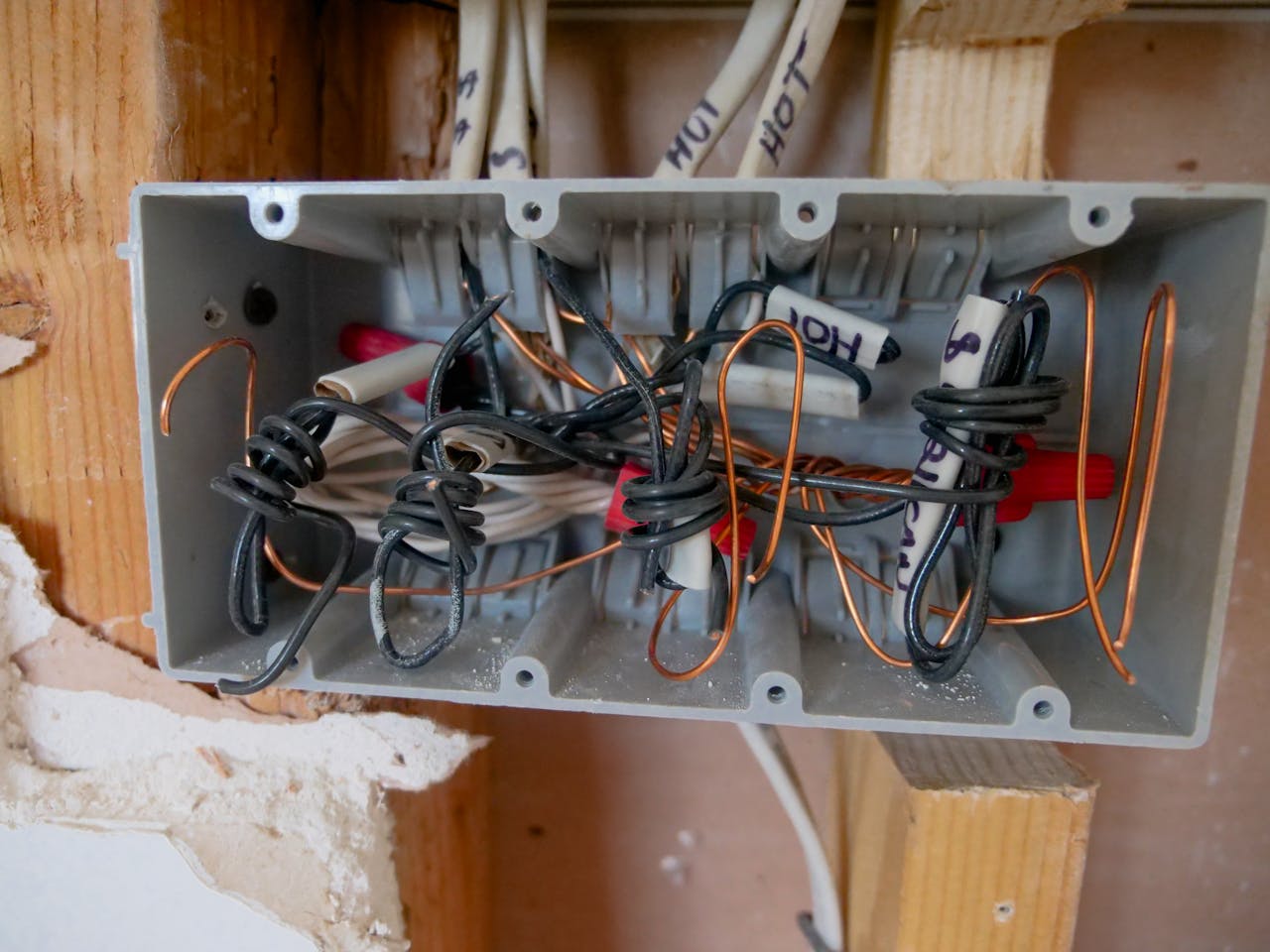
- Check for damaged outlets: Regularly inspect outlets for cracks, loose fittings, or exposed wiring. Damaged outlets are more dangerous because their protective features may be compromised.
- Keep water away from outlets: Teach children never to touch electrical devices or outlets with wet hands, and keep water sources away from outlet areas.
Why Professional Installation Matters
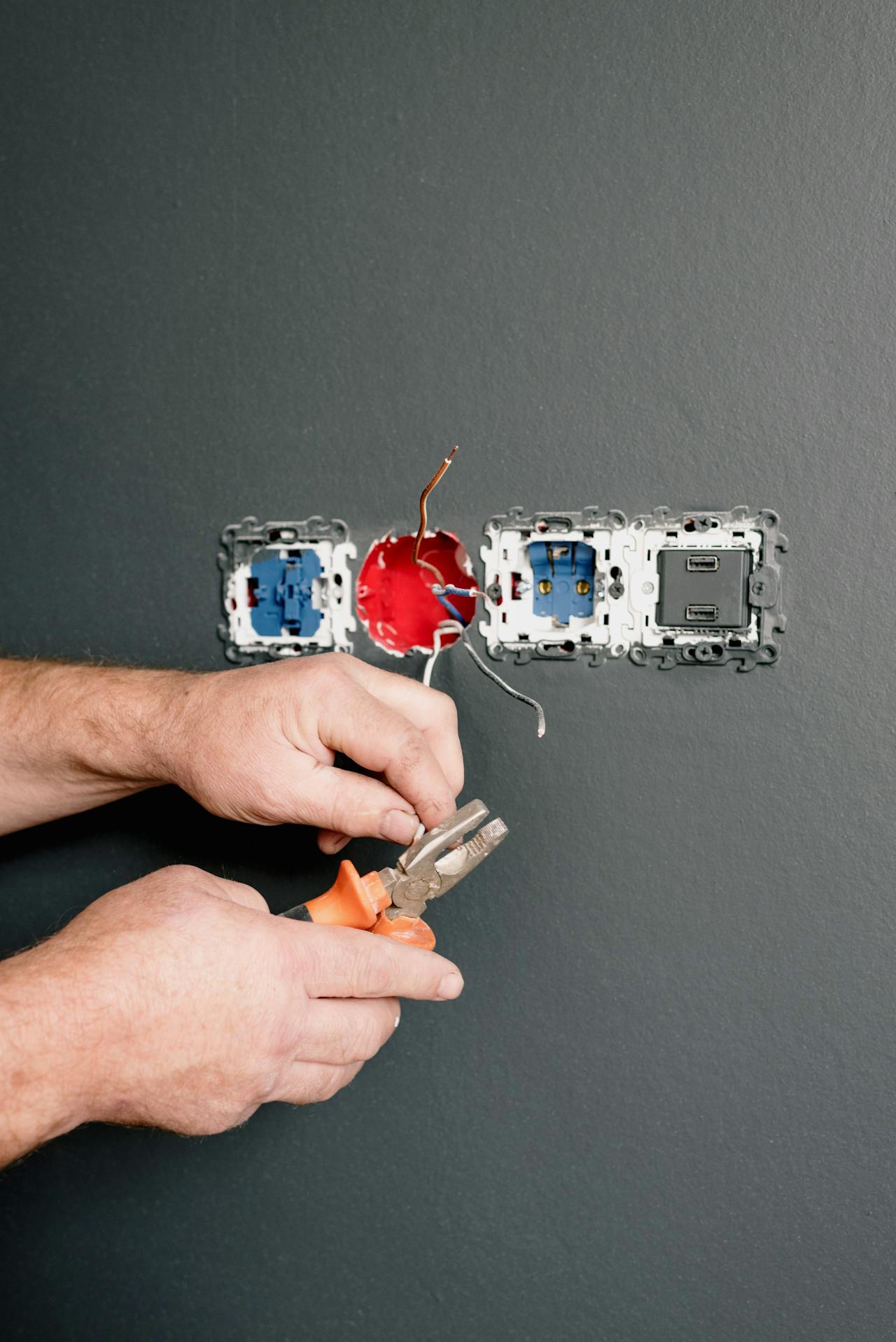
While plastic outlet caps can be installed by anyone, upgrading to tamper-resistant receptacles involves working with your home's electrical wiring. A licensed electrician can replace your standard outlets with TRRs quickly and safely, ensuring proper wiring connections and code compliance. Most homes can have all outlets upgraded in a single visit.
Frequently Asked Questions
Are tamper-resistant outlets better than plastic outlet caps?
Yes. Tamper-resistant receptacles have built-in spring-loaded shutters that only open when equal pressure is applied to both slots at once, so a child cannot push an object into a single slot. Plastic caps must be removed for every use and are often left off, can be pulled out by toddlers, and provide far less reliable protection.
Are tamper-resistant outlets required by code?
Since 2008, the National Electrical Code has required tamper-resistant receptacles in all new residential construction, and they are also typically required when outlets are replaced during a renovation. If your home was built before 2008, upgrading to tamper-resistant receptacles is one of the best safety improvements you can make.
Are plastic outlet plug caps a choking hazard?
They can be. Plastic outlet caps are small enough to become a choking hazard if a child manages to pull one out, and many toddlers quickly learn how to remove them. Tamper-resistant receptacles avoid this risk entirely because there is no removable piece for a child to take out and put in their mouth.
At what age should I childproof my outlets?
Childproof your outlets before your child becomes mobile, ideally during baby-proofing. The risk is highest for children between one and five years old, who can reach outlets but are too young to understand the danger. Because outlets sit just 12 to 18 inches off the floor, they are right at a curious toddler's eye level.
How much does it cost to upgrade to tamper-resistant outlets?
The cost depends on how many outlets you have and your home's wiring, but most homes can have all their outlets upgraded to tamper-resistant receptacles in a single visit. Acosta Electric provides free estimates so you get an exact price for your home before any work begins.
Sources & Further Reading
Ready to Make Your Home Safer for Kids?
Acosta Electric installs tamper-proof outlets throughout the Phoenix metro area. Protect your family today.
Call 623-975-9011 Get a Free Estimate